
Mixing alcohol and Coumadin is known to affect how Coumadin works in your body. It can also affect your blood levels and cause incorrect doses of Coumadin to be prescribed. You should avoid mixing Coumadin and alcohol unless your doctor says that it is OK. Managing your diet is a critical part of ensuring the safe and effective use of blood thinners. By understanding the foods to avoid while on blood thinners, you can reduce your risk of complications and maintain optimal health. Managing your diet while on blood thinners is essential for ensuring the medication’s effectiveness and your overall safety.
- The main concern is that pomegranate juice may enhance the effects of anticoagulant medications, such as warfarin, by inhibiting the activity of certain enzymes that metabolize these drugs.
- If you are taking aspirin, you should speak with your doctor before using alcohol.
- Blood thinners are medications designed to decrease the blood’s ability to clot, thus lowering the likelihood of clot formation.
- Someone who wants to drink alcohol while taking blood thinners should consult with their doctor before doing so.
- While some alcohol may be safe, specific situations should be discussed with a doctor.
- According to research, moderate consumption of alcohol has been found to cause a small increase in your HDL (good) cholesterol.
Can the interaction between wine and blood thinners vary from person to person?

Patients with coronary artery disease or atrial fibrillation may be advised to avoid caffeine altogether. As with any medication, it is important to consult with a healthcare provider before making any changes to diet or lifestyle. Someone who wants to drink alcohol while taking blood thinners should consult with their doctor before doing so. While some people may be able to drink in moderation while taking blood thinners, it is typically best to avoid it. Alcohol is generally not an essential activity, and it can increase the risk of bleeding, so it is typically best to avoid drinking while on blood alcoholism treatment thinners.
The Role of Wine in Blood Clotting
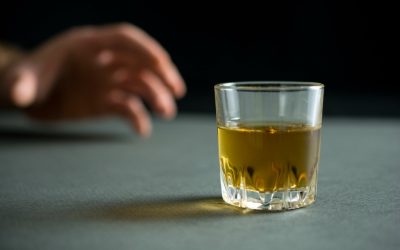
In conclusion, while it is possible to drink wine while on blood thinners, it is important to exercise caution, limit consumption, and https://ecosoberhouse.com/ consult with your healthcare provider. Understanding the potential risks and monitoring your health closely can help you make informed decisions regarding alcohol consumption while on blood thinners. Managing alcohol intake while on blood thinners requires careful consideration and medical supervision. Infrequent and moderate drinking might be safe for some individuals, but this should always be confirmed with a healthcare provider.

Causes & Risk Factors
- This tea also contains tannins and flavonoids, which can benefit heart health.
- There are too many variables to make a blanket statement that alcohol is good for your blood pressure.
- In some cases, a doctor may permit light, occasional alcohol use, while in others, complete avoidance is necessary.
Therefore, it is recommended that those taking warfarin limit their caffeine intake to moderate levels and consult with their doctor about any concerns. When on blood thinners, it’s crucial to avoid foods that can interfere with the medication’s effectiveness or increase bleeding risks. Key foods to watch out for include those high in Vitamin K (like spinach and kale), citrus fruits like grapefruit, alcohol, and certain herbal supplements such as drinking on blood thinners turmeric and ginseng.
- He is a Fellow of the American College of Cardiology (FACC) and American board-certified in general cardiology, echocardiography, and stress-testing, and nuclear cardiology.
- Rather than cutting out foods high in Vitamin K completely, aim for a stable, regular intake.
- Ginger tea is famous for its robust flavor and potential health benefits, such as alleviating nausea and boosting the immune system.
- Blood thinners are medications designed to prevent blood clots from forming and to maintain smooth blood flow through the blood vessels.